Google Core Update December 11 – SEO Guide, Impact & Recovery Tips
Google Core Update (December 11): Complete SEO Expert Guide for Sustainable Rankings
The Google Core Update rolled out on December 11 has once again reshaped the SEO landscape. Core updates are among the most significant changes released by Google because they directly impact how content is evaluated and ranked across the entire web.
After this update, many website owners noticed sudden changes in rankings, traffic fluctuations, and visibility shifts. While this can be concerning, it is important to understand that a Google Core Update is not a penalty. Instead, it is Google’s way of improving search quality by rewarding content that best serves users.
In this detailed blog, we will explain what the December 11 Google Core Update is, what Google is focusing on, its impact on different types of websites, and how you can future-proof your SEO strategy.
What Is the Google Core Update?
A Google Core Update is a broad algorithm update that improves Google’s main ranking systems. Unlike spam or link updates, a core update reassesses content quality across the entire web.
According to Google Search, core updates are released to ensure users receive the most helpful, relevant, and trustworthy search results.
Key points to understand:
Core updates affect all industries and regions
They are not site-specific
Ranking drops do not mean penalties
Recovery requires quality improvements over time
Why Did Google Release the December 11 Core Update?
Google regularly releases core updates to adapt to:
Changing user behavior
Growth of AI-generated content
Low-quality and misleading information
Evolving search intent patterns
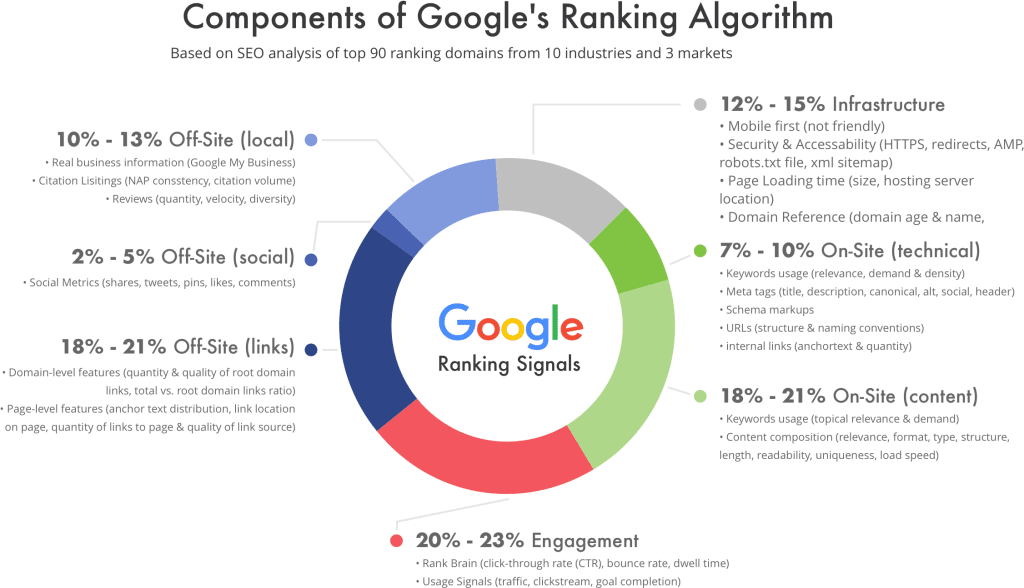
The December 11 Google Core Update places strong emphasis on people-first content, real expertise, and trust. Websites that offer genuine value are rewarded, while low-effort, SEO-only content loses visibility.
Key Focus Areas of the December Google Core Update
Helpful, User-First Content
Google now prioritizes content that genuinely helps users. Pages that clearly answer questions, solve problems, and provide complete information perform better than generic or shallow content.
Stronger E-E-A-T Signals
Experience, expertise, authority, and trust play a critical role. Google is better at identifying real-world experience, author credibility, and content accuracy.
Content Depth Over Quantity
Publishing fewer but higher-quality pages is more effective than mass publishing. Comprehensive topic coverage is strongly favored.
Smarter Keyword Evaluation
Keyword stuffing is losing effectiveness. The Google Core Update focuses more on semantic relevance, context, and natural language usage.
AI Content Quality Assessment
Google does not penalize AI-generated content by default, but low-quality, unedited, or repetitive AI content is more likely to lose rankings.
Impact of Google Core Update on Local SEO
Local businesses have seen ranking shifts in map results and “near me” searches. Google now places more importance on:
Accurate business information
Genuine customer reviews
Local relevance and trust signals
Helpful location-based content
Businesses that maintain strong brand presence and user trust perform better after the update.
Impact on Bloggers and Affiliate Websites
Bloggers and affiliate marketers are among the most affected by the Google Core Update. Websites relying on thin product reviews, AI-generated comparisons, or affiliate-heavy content without real value have experienced traffic drops.
To stay competitive, bloggers must focus on first-hand experience, transparency, updated content, and user-focused recommendations.
Google Core Update Checklist
Use this checklist to align your website with the December 11 Google Core Update:
Is your content genuinely helpful?
Does it match search intent clearly?
Is the information accurate and updated?
Are authors and credentials visible?
Do you demonstrate real expertise?
Is the content easy to read and navigate?
Are thin or duplicate pages improved or merged?
Is your website fast and mobile-friendly?
Do you have strong internal linking? Are trust pages like About and Contact present?
What Not to Do After a Google Core Update
Avoid panic actions such as deleting content, aggressive backlink building, sudden SEO strategy changes, keyword stuffing fixes, or major website restructuring. Google recommends patience and meaningful improvements.
Can You Recover From the December Google Core Update?
Yes, recovery is possible. However, it requires consistent quality improvements and patience. Most recoveries occur after the next core update once Google reassesses improved content.
The Google Core Update of December 11 reinforces a clear message: SEO success depends on quality, trust, and user satisfaction. Websites that invest in helpful content, strong E-E-A-T signals, and excellent user experience will grow sustainably.
Implementing SEO the right way, as taught by Digital Bizware, helps businesses stay aligned with Google’s evolving algorithms and avoid short-term tactics.
Digital Bizware
If your website was impacted by the Google Core Update and you want to build a future-proof SEO strategy, now is the right time to upgrade your skills.
Learn professional, practical SEO with Digital Bizware, where industry experts teach real-world strategies aligned with Google’s latest updates. Build authority, trust, and sustainable rankings with SEO that Google actually rewards.